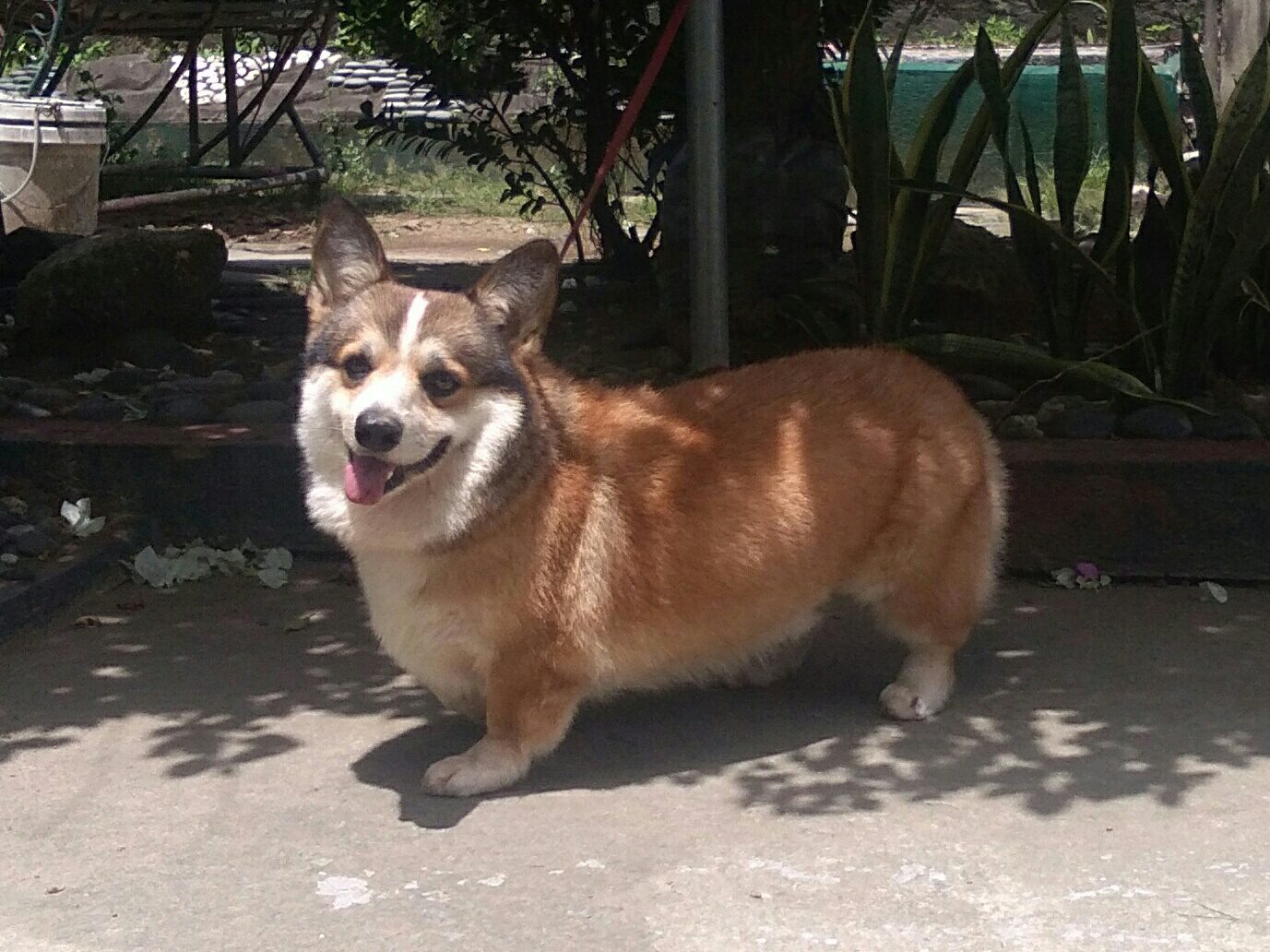
Photo: Dog breed facts, CC BY-SA 4.0, via Wikimedia Commons

- Size
- Small
- Height
- 25–30 cm
- Weight
- 10–14 kg
- Energy
- Moderate
- Intelligence
- High
Overview
The Pembroke Welsh Corgi is a low-set cattle herder from Pembrokeshire, a heel-nipping spitz relative that drove livestock by working close to the fetlocks. Famous as a royal companion, it is still a herding dog: sturdy, vocal, and food-motivated, with a back that does not forgive extra weight.
Origin
Corgis worked Welsh farms for centuries; folklore credits them to fairies, history to Nordic or Flemish spitz types arriving with settlers. Pembrokes, usually tailless or docked and with pointed ears, were split from the longer-backed, square-eared Cardigan Welsh Corgi. The AKC recognized the Pembroke in 1934. Queen Elizabeth II's lifelong kennel made the silhouette globally famous.
Size & weight
About 25–30 cm at the shoulder. Males ideally around 12–13 kg, females 10–12 kg. Low-set, with as much heart-room as a small herder can carry, and a fox-like head.
Temperament
Outgoing, bold, and often bossy. They bark. They may herd children and other pets by nipping heels—the old cattle method. They are usually friendly with people and trainable with food. A bored Corgi is a noise complaint.
Energy
Moderate to moderately high. They enjoy walks, herding instinct tests, and tricks. They are not Dachshunds in energy, nor Border Collies. Keep exercise regular and impact reasonable; the long back is not for endless frisbee leaping.
Intelligence
A cattle herder in a short package: Corgis are typically quick to learn, vocal about their opinions, and happiest with a job.
Intelligence here means typical trainability, not a ranking of the dog.
Coat & grooming
A medium-length double coat, weatherproof, in red, sable, fawn, and black-and-tan, usually with white markings. A 'fluffy' long coat occurs as a recessive and is a fault in the ring.
Seasonal blowouts are impressive. Weekly brushing otherwise. The coat dirt-sheds reasonably well.
Health notes
Intervertebral disc disease, hip dysplasia, degenerative myelopathy, and progressive retinal atrophy are documented. Obesity is the great preventable crisis and worsens the back. Von Willebrand disease appears in the breed. Fluffies are healthy as coats go; the issue is conformation rules, not illness.
Care
Measure food. Use ramps for sofas if the dog is a jumper. Channel herding into sports. They can live in towns if walked and trained not to alarm-bark. Separate Pembrokes from Cardigans if you are choosing: different tails, ears, and bone.
Fun facts
- Queen Elizabeth II kept Pembrokes (and later dorgis) from 1944 until the last of her dogs died in 2018.
- Corgi means, in one popular etymology, 'dwarf dog' in Welsh.
- They herded by nipping cattle at the heels and dropping to avoid a kick—the origin of the low build.
The Dog Codex is an editorial reference, not veterinary advice. Health notes summarize conditions that appear in breed literature; they do not diagnose an individual dog and do not replace examination by a licensed veterinarian.